

A Guide to Buying a Kitchen Extractor Fan
A kitchen extractor fan, also called a cooker hood, eliminates steam, smoke and unwanted cooking odours from your kitchen area. They can also include an extra design declaration to your kitchen layout.
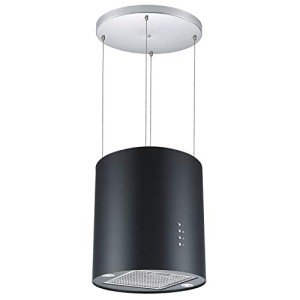
Unlike wall or incorporated cooker hoods, island extractor fans hang straight from the ceiling. They are usually ducted to either an external vent or through a charcoal filter for recirculating (Which?).
Ventilation
Extractor fans are utilized to clarify in bathrooms, cooking areas and utility room to eliminate smells and excess wetness and keep your area tidy. They have a vent package which connects directly to an external wall allowing odours, smoke and moisture to be removed from the room, removing them into the outdoors environment and enhancing air quality. Additionally, you can pick to recirculate the air utilizing charcoal filters, which is perfect for small spaces that don't have adequate room for a duct system.
Unlike conventional cooker hoods that are connected to the side or wall, an island extractor fan is hung straight from your ceiling above your hob. This creates a bold design declaration in your kitchen and can serve as a striking focal point for the entire area. With a range of different designs offered, there's something to match every kitchen design and design.
A kitchen extractor fan works to remove the wetness, odour, heat and smoke that typically happen when cooking - aerating your area and keeping it fresh. The smells, steam and condensation are sucked up into the hood, filtering and removing them from your home (Hampton Bay). It likewise assists to lower the accumulation of greasy residue on kitchen surface areas, which in turn minimize cleaning time and improves hygiene levels (Good Housekeeping).
For island cooker hood looking for a streamlined and modern kitchen, an incorporated extractor fan is ideal as it can mix seamlessly into the design. These hoods have a plain panel component at the front of the hood which hides the motor and fan elements, preserving an unbroken visual when the hood is in operation. These designs are typically more costly than those that are developed into the ceiling, however the unobtrusive appearance makes them an elegant alternative for any kitchen (Houzz).
The Xpelair Simply Silent Contour extractor fan is one of the very best examples of an effective and functional kitchen extractor fan. Its easy yet trendy design sets completely with a lot of kitchen styles and comes in a vast array of colours and sizes. It also features a number of innovative innovations, such as Ghost Air Movement technology, which makes sure the hood operates quietly so it does not interrupt your everyday life.
Noise
A kitchen island with a hob and extractor fan can function as a central center that feels open and inviting, particularly for those who enjoy cooking for friends. Nevertheless, a downdraft extractor can feel invasive, specifically if there is somebody sitting at the breakfast bar on the opposite side. Downdraft extractors work by eliminating air and grease from the hob straight beneath, either venting it outside or recirculating it depending on your option of model.
They're also a little louder than island extractor fans or ceiling extractor hoods, with noise levels comparable to that of a vacuum at maximum speed. That said, they're still an excellent alternative for open-plan spaces, as they're reasonably quieter than other extraction systems such as a ducted cooker hood.
If you're looking for an extractor with a low sound level, have a look at our range of quiet extractor hoods with noise levels as low as 60dB, which is the comparable to the sound of a regular conversation. Featuring a range of streamlined and modern styles, these designs can turn a necessary appliance into a design function that works well with your kitchen's aesthetic.
Energy Efficiency
A kitchen extractor fan will help to keep your cooking location devoid of smells, smoke and steam that can create mould and mildew on walls and ceilings. It will likewise make sure that your home stays fresh, healthy and comfortable to live in. However, there are a few things you require to think about before you choose on what sort of extractor hood or cooker hood to purchase and set up in your kitchen.
The size of the motor and energy performance of your extractor hood will influence just how much it uses and what your electrical expenses are going to resemble. Picking the best fan can conserve you money gradually, especially if it is a contemporary model that utilizes innovations such as sealed bearings to lower friction when the fan spins. This suggests less electrical power is utilized but the same amount of air is being pressed out-- a big win for your energy bill.
As an added bonus, a kitchen island extractor hood can be a gorgeous style function in its own right. From industrial chimney styles to copper-finished pendant lamp looks, there are plenty of alternatives to match your kitchen's aesthetic and include an eye-catching focal point. This can break up an open plan kitchen and develop a sense of space while still keeping all the devices in view.
A conventional extractor fan will have the ability to vent directly outside through a duct, but you can also go with a recirculating design which is perfect for homes without ducting. These fans work by drawing air, moisture and odours into a filter where they are purified then re-extracted back into the space-- conserving you the expense of external venting.
While the advantages of a kitchen extractor hood can be clear, it is essential to take your time when choosing one for your home. Whether you're installing it in a brand-new home or simply upgrading your existing kitchen, select a model that will get the job done well and complement your other home appliances and decor. It's a good concept to request recommendations from a professional and compare the rates of various designs before making your decision.
Style
Whether your kitchen is a slick contemporary or traditional style, there are extractor hoods to match every taste. A designer island extractor hood is a striking declaration piece that will stick out in your open-plan kitchen design. The finest designs typically look more like an artwork than a ventilation system, which can offer your kitchen a sense of high-end and glamour. Additionally, a simple plaster chimney-style hood is enjoying a style revival with on-trend surfaces and can assist to ground a contemporary kitchen style.
In basic, island extractor hoods tend to be more reliable than other kinds of cooker hood, because they are placed directly above your hob and can draw in grease and odours in addition to steam straight from the pan. This kind of hood is perfect for a chef's kitchen or for high-intensity cooking such as searing and stir-frying. If you're preparing to cook heavily, it's worth investing in a high-powered design with a big extraction rate and an excellent air flow to eliminate moisture, smoke and odours quickly.
A downdraft extractor is another excellent option for kitchen islands. These are typically set up underneath your counter top space and rise up straight next to your hob when it's in use, producing a minimalist visual. They can be ducted to the outdoors or recirculated, depending on your preference. Downdraft extractors are also much quieter than other alternatives and produce a sound level similar to that of a vacuum cleaner.
Another popular alternative for kitchen extractors is a ductless fan, which draws air through a carbon filter before recirculating it back into the kitchen. This kind of fan can be a useful option to a ducted extractor, especially in new-build homes where ducting can be tough. However, ductless fans tend to be noisier and need regular filter replacements, which can increase energy usage.
A venting hob with built-in extractor is an increasingly popular choice for kitchens. These appliances have a extractor fan developed into the centre of the hob, drawing air down and either venting it out or recirculating it as needed. They're an effective and streamlined service for kitchen islands, but can likewise be installed in other areas of the home such as breakfast bars.